

16 min read · Updated: 2026-11-28
The most useful window cleaning tools for cars are clean microfiber towels, a glass-safe cleaner, and a compact reach tool for the inside of the windshield. Add a dedicated squeegee for exterior glass if you prefer a residue-free finish. Choose soft, clean materials and match each tool to the glass surface and the job.
Car windows collect road film outside and dust, fingerprints, and interior residue inside, so one cloth or product may not handle every surface well. A simple kit helps you work without spreading grime, while careful technique reduces streaks and lowers the risk of scratching glass or nearby trim.
The guide below compares practical tool choices, explains how to use them safely, and flags common cleaning mistakes. It also includes a brief note on online product discoverability for retailers, separate from the advice on caring for your car.
- Use clean microfiber towels and a glass-compatible cleaner, with separate cloths for the cabin and exterior.
- Choose a reach tool for awkward windshield corners and a squeegee for broad, wet exterior glass.
- Remove loose grit first, work on cool glass, and finish with a clean, dry towel.
- Check compatibility with tint and nearby trim, and keep tools clean between uses.
Why car glass needs the right cleaning tools
Inside and outside collect different grime
Use separate clean cloths for the cabin and exterior because each side collects different residue. Outside glass picks up road film, insects, and dust, while the inside can develop fingerprints, dashboard residue, and a faint haze. Reusing an exterior cloth indoors can transfer grit or oily deposits and leave new streaks.
The windshield’s inside surface often needs a tool with a handle because its lower corners are difficult to reach from the driver’s seat. A short, pivoting head can help you press a cloth against the glass without leaning heavily on the dashboard. For side windows, a folded microfiber towel is usually easier to control.
Cleaning tools also affect how clearly you can see after the job. A soft towel absorbs loosened dirt, while a squeegee removes liquid from broad, flat glass when its rubber edge is clean and intact. Neither tool substitutes for a glass-safe cleaning solution when the surface has stubborn film.
Glass and nearby surfaces differ
Automotive glass sits close to materials that need gentler handling, including dashboard finishes, door seals, and window tint. A cleaner suitable for bare glass may still leave residue on surrounding trim, so apply it to the cloth rather than spraying broadly across the cabin. This also helps prevent droplets reaching electronics.
Tinted film on the inside of a window calls for particular care because abrasive pads and harsh chemicals can damage its surface. Check the film or vehicle guidance before choosing a cleaner, and use a soft microfiber cloth with light pressure. If you are unsure, test the product on a small, inconspicuous area first.
Curved windshields and tight corners can make a large tool awkward to maneuver. A compact head or folded cloth lets you follow the shape of the glass while keeping contact away from trim. Pick tools that fit the window rather than assuming a wider cleaning surface will always save time.
Start with the basic kit for clear windows
Build a simple glass kit
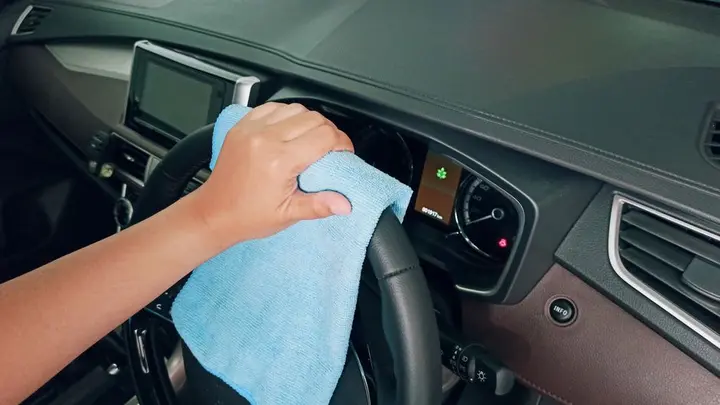
Start with two or more clean microfiber towels, a glass-safe cleaner, and a storage bag that keeps the towels away from dust. Reserve one towel for applying or spreading cleaner and another for drying and buffing. This separation helps prevent a damp, dirty cloth from simply moving residue around.
Choose a low-lint microfiber towel with a smooth, soft surface for glass, and keep it free of fabric softener, which can leave deposits. A dedicated automotive glass cleaner can help lift fingerprints and road film, but follow its label and vehicle guidance. Avoid assuming that household products are suitable for every tint or finish.
Add a handled windshield tool if you struggle to reach the lower inside corners. Look for a stable grip, a head that can follow the glass curve, and a removable cloth cover that can be washed. A simple kit is easier to keep clean and use consistently than a pile of mixed-purpose accessories.
- Clean microfiber towels for glass
- A compatible glass cleaner
- A reach tool for the windshield
- A separate towel for final buffing
Keep cloths clean between uses
Store glass towels separately from cloths used on tires, bodywork, or greasy engine parts. A towel that looks clean may still hold grit or dressing residue that transfers onto the windshield. A labelled bag or compartment makes it easier to grab the right cloth before starting.
Wash microfiber according to its care label and avoid fabric softener, which can coat the fibers and reduce their ability to absorb liquid. Keep lint-producing fabrics out of the same load, then allow towels to dry fully before storing them. Replace cloths that have become rough, stained, or difficult to clean.
Inspect the tool head and any rubber squeegee edge before use. Embedded grit, a loose pad, or a nicked blade can drag marks across the glass instead of removing moisture. Cleaning the tool itself is part of the job: rinse away debris and let removable covers dry before putting everything back.
Choose tools for the glass and the job
Match the tool to the task
Choose microfiber for fingerprints, light dust, and final buffing; use a handled reach tool when the windshield’s lower interior is difficult to access. A squeegee is useful on broad exterior glass after washing, provided its edge is clean and the surface is wet enough for it to glide. Retailers selling car-window cleaning tools online may explore Seo Services to help shoppers find relevant products and useful guidance.
For stuck-on residue, first soften or lift the material with a glass-safe cleaner and a suitable soft cloth rather than scraping immediately. A scraper is a specialized choice, not an everyday windshield tool, and some glass surfaces or films may be damaged by blades. Check the vehicle and surface guidance before using one.
Consider storage and handling as well as cleaning performance. A small tool is easier to keep in the car, while a longer handle can improve reach but may be awkward around a compact cabin. Removable, washable covers are practical if you can clean and dry them properly between uses.
| Tool | Best suited to | Main consideration |
|---|---|---|
| Microfiber towel | Fingerprints and buffing | Keep it clean and lint-free |
| Handled reach tool | Interior windshield corners | Use a secure, clean cover |
| Squeegee | Water on broad exterior glass | Inspect the edge for damage |
| Soft cloth | Edges and delicate areas | Avoid embedded grit |
Compare common tool choices
A microfiber towel is the most versatile choice for small areas, edges, and finishing, but it relies on your reach and hand pressure. A handled tool makes the inside windshield easier to access, though its cover must stay clean and fit securely. A squeegee clears liquid quickly across broad glass but needs a smooth, undamaged edge.
Think about where the residue sits before choosing an accessory. For light dust and fingerprints, a towel is usually enough; for hard-to-reach interior glass, a reach tool reduces awkward stretching. For a rinsed exterior window, a squeegee can remove water, while a clean towel is useful around mirrors and window edges.
No single tool is best for every car or task, so build around the surfaces you clean most often. If your vehicle has film, delicate trim, or a tight windshield angle, prioritize compatibility and control over a larger cleaning head. Read product directions and inspect the tool before putting it against the glass.
- Microfiber towel: versatile and easy to store
- Reach tool: access to interior corners
- Squeegee: fast water removal on broad glass
- Soft cloth: controlled cleaning around edges
Remove loose grit before wiping, because dragging particles across glass can create fine scratches.
Clean safely without scratching or streaking

Prepare the glass before wiping
Remove loose grit before wiping, because dragging particles across glass can create fine scratches. On exterior windows, rinse away surface dirt first; indoors, use a clean dry microfiber cloth to lift dust gently. Do not use a towel that has touched gritty bodywork, wheels, or other dirty surfaces.
Work on cool glass out of direct sunlight when possible, since heat can make cleaner evaporate before you finish spreading it. Apply a modest amount of product to the cloth, following its directions, rather than soaking the window or spraying near the dashboard. This also helps limit cleaner running into seals and trim.
Clean one pane at a time and use a consistent pattern so you can see which areas are finished. A vertical pass followed by a light horizontal buff can reveal remaining streaks, especially on the inside. If marks persist, switch to a clean part of the towel instead of pressing harder with a dirty section.
Finish with controlled passes
Use light, even pressure and keep the cloth flat against the glass rather than scrubbing with a bunched-up corner. When using a squeegee, begin at the top and draw it across or down in steady, overlapping passes, wiping its edge between strokes. This limits water trails left behind by a dirty blade.
Finish the edges and corners with a fresh, dry part of a microfiber towel, where liquid often gathers. Check the glass from different angles because a streak can disappear when viewed straight on but show up in low sunlight or at night. If needed, buff lightly with a second clean towel.
Let the glass dry fully before judging the result or driving, and keep the cleaner away from areas where it could affect visibility through residue. If a mark remains after careful cleaning, identify whether it is on the surface or within the glass rather than repeatedly scrubbing. Persistent damage or a crack needs appropriate inspection, not stronger cleaning.
Avoid common tool and product mistakes
Keep Cleaning Chemicals Compatible
Check that a glass cleaner is suitable for automotive glass before spraying it on the windshield. Household products may leave residue or contain ingredients that affect tinted film, coatings, or nearby trim. If the label is unclear, test a small area near an edge and follow the vehicle or film maker’s care guidance.
- ☐ Read the cleaner label before use.
- ☐ Check compatibility with window film.
- ☐ Test an unfamiliar product near an edge.
- ☐ Use a fresh cloth for the final wipe.
Avoid mixing cleaners or applying a second product before the first has been wiped away. Different formulas can leave a cloudy film when combined, making it difficult to tell whether the glass or the cloth caused the streaks. Use one product at a time, and rinse or change cloths before switching formulas.
For tinted side windows, distinguish factory-treated glass from aftermarket film, which sits on the inside surface. Some ammonia-based cleaners can damage certain films, so choose a product marked safe for tinted windows or use a damp microfiber cloth with a suitable cleaner. Never assume a product is safe simply because it works on the windshield.
Avoid Pressure And Residue
Use light pressure when wiping glass; pressing hard can drag grit across the surface and leave fine scratches. If a mark does not lift, soften it with cleaner and let the cloth pass over it again rather than scrubbing. For stuck-on material, use a purpose-made glass scraper only on compatible, uncoated glass.
A cloth that looks clean can still hold wax, polish, or fabric softener from another job. Those residues spread into a greasy haze, especially on the inside of a windshield where sunlight makes smears obvious. Keep glass towels separate from towels used on paint, tires, or interior dressing.
Do not clean hot glass in direct sun if the product dries before you can wipe it. Work in shade or on a cooler surface, and clean one manageable area at a time. If you see streaks after drying, switch to a dry, clean microfiber cloth instead of adding more cleaner immediately.
- Use gentle, even strokes.
- Keep glass towels separate.
- Work away from direct sun.
Build a simple routine for inside and out
Work In A Reliable Order
Clean the interior glass first, then move outside, so exterior dirt does not transfer onto freshly wiped surfaces. Remove loose dust from the dashboard and glass edges before spraying cleaner; otherwise, the cloth can pick up grit and spread it. Keep a dry microfiber towel ready for a final buff.
- Park in shade or wait for cool glass.
- Remove loose dust before applying cleaner.
- Wipe the interior glass in a consistent order.
- Clean outside glass and buff it dry.
A repeatable sequence helps reveal missed areas: start with the windshield, then the front side windows, rear side windows, and back glass. For inside surfaces, wipe in one direction; for outside surfaces, wipe at a right angle. If a streak remains, the direction tells you which side needs another pass.
Detailing businesses aiming to be found by nearby drivers may use Local Seo Services to keep their local business information accurate and visible. For a personal car, the same principle of consistency applies to cleaning: follow the same order each time and note which glass tends to collect haze. A simple routine saves effort by preventing repeated passes.
- Dust the dashboard and glass edges.
- Clean inside surfaces before outside.
- Use different wipe directions on each side.
- Buff with a dry, clean towel.
Give Each Surface Its Own Pass
Spray cleaner onto the cloth rather than directly onto the inside windshield, where overspray can land on the dashboard or electronics. Use a folded microfiber towel and turn to a clean face as it becomes damp or dirty. Finish with a second, dry towel to lift remaining moisture and reduce haze.
Pay attention to the lower windshield, where dust and dashboard vapors often collect, and the corners where a broad tool may not reach. A small, clean microfiber cloth can work into tight edges without forcing a handle against trim. Take care around sensors, camera housings, and other equipment mounted near the glass.
For the outside, rinse away loose grit before wiping, especially after a dusty drive or winter road treatment. Use a separate cloth from the one used inside, and avoid dragging it across dirt trapped near the wiper arms. Finish by checking the glass from more than one angle, since streaks can disappear in shade but show in sunlight.
When to seek professional help with car glass
Recognize Damage Beyond Cleaning
A chip, crack, or spreading line needs assessment rather than more aggressive cleaning. Dirt can make damage harder to inspect, so gently clean around it without pressing on the affected area or scraping across it. A qualified glass professional can advise whether repair or replacement is appropriate for the location and extent of the damage.
- Scrubbing a chip; ask a glass professional to assess it.
- Scraping an unknown mark; confirm it is surface residue first.
- Ignoring a spreading crack; arrange an inspection promptly.
Stop using a scraper if a mark does not move with gentle cleaning or if you are unsure whether it is on the surface. Scraping can worsen damage or harm a coating, and some marks are actually chips, pits, or scratches in the glass. A professional can identify the cause and recommend a safe next step.
A car-glass or detailing business serving Leicester and Leicestershire may find Leicester Seo Services relevant when improving its local presence. For drivers, the practical priority is choosing a qualified service that can inspect the glass and explain the available options. Ask whether the assessment includes checking the affected area and any nearby sensors or equipment.
Know When Visibility Needs Attention
If a windshield remains hazy after a careful clean with fresh towels, consider whether the problem is residue, surface wear, or damage rather than repeating the same process. Persistent glare, distortion, or a mark in the driver’s field of view can affect visibility. Have the glass checked if cleaning does not restore a clear view.
Seek help when wipers skip, chatter, or leave a consistent uncleared area despite clean glass and sound blades. The cause may involve worn rubber, a damaged windshield surface, or poor contact between blade and glass. A technician can inspect the system instead of relying on a glass cleaner to solve a mechanical problem.
Take note of when the issue appears, such as during rain, at night, or when sunlight hits the windshield. This detail can help a professional distinguish water-repellent residue from scratches, chips, or other surface concerns. Avoid applying a coating over an unexplained defect, since it may make diagnosis harder or leave visibility uneven.
- Get persistent haze assessed.
- Ask for help with unexplained glare.
- Have recurring wiper streaks checked.
Store and maintain your tools between cleans

Wash Cloths Without Contamination
Wash glass towels separately from cloths used on paint, tires, or interior products to prevent transferred oils and grit from causing streaks. Use a detergent without fabric softener, which can leave a film that reduces absorbency. Follow the towel maker’s care instructions, and avoid washing microfiber with lint-producing fabrics.
Inspect towels before each use for embedded grit, rough edges, or pulled threads that could mark glass. Set aside any cloth that has touched a dirty floor or collected polish, even if it looks clean. A dedicated glass towel is a simple way to reduce cross-contamination and make streaks easier to troubleshoot.
Dry towels fully before putting them away, since damp fabric can develop an unpleasant odor and may not perform well on the next clean. Store clean cloths in a closed, dry container or drawer, separate from used ones. Leicester businesses maintaining customer-facing service details should also keep their information current, just as drivers should keep their cleaning kit clean and ready.
- Wash glass towels apart from other cloths.
- Skip fabric softener.
- Inspect for grit and damaged edges.
- Store only when completely dry.
Protect Tools Between Uses
Rinse squeegee blades and scraper handles after use, then dry them before storage so grit does not remain on the working edge. Replace a cracked or nicked blade rather than trying to smooth it by hand. Keep scraper blades covered, and store them where they cannot slide against towels or other tools.
Keep cleaners upright with their caps secured, away from extreme heat and direct sunlight. Check the label for storage guidance, especially for products that should not freeze or be left in a hot vehicle. If a bottle leaks or its label becomes unreadable, replace it rather than guessing what is inside.
Give each tool a clear place in a small kit so clean towels do not touch used scrapers or damp applicators. Before a trip, check that the container is secure and will not spill into the cabin. A brief check after cleaning also helps catch a worn towel or damaged edge before it causes a problem next time.
Frequently asked questions
Can I use paper towels on car windows?
Paper towels can leave lint or small fibers, and rough or recycled varieties may drag debris across the glass. A clean microfiber towel made for glass is usually a better choice because it can absorb cleaner and buff the surface with less residue. If paper towels are all you have, use a soft, lint-free type and make sure the glass is free of grit first.
Why does the inside of my windshield look streaky at night?
Streaks and haze can become more obvious when headlights or streetlights shine through the windshield. Common causes include cleaner residue, dashboard vapors, a towel contaminated with polish, or wiping glass while it is warm. Try a clean microfiber towel and a suitable automotive glass cleaner on cool glass, then buff with a separate dry towel. Persistent haze or distortion should be inspected.
Should I clean the windshield before replacing wiper blades?
Yes. Removing dirt and residue gives the new blades a cleaner surface to contact and makes it easier to check whether they wipe evenly. Rinse away loose grit, clean the glass with an appropriate product, and dry it before fitting blades according to their instructions. If streaking continues afterward, check blade installation, glass condition, and the wiper mechanism rather than repeatedly adding cleaner.
Is a glass-cleaning tool safe on tinted windows?
It depends on the tool and whether the tint is a film applied to the inside of the glass. Avoid sharp scrapers and abrasive pads on film, and use a cleaner marked safe for tinted windows. A soft microfiber cloth is the cautious option when you are unsure. Follow the tint maker’s care guidance, since a tool suited to bare glass may damage a film.
Make Clear Glass Part Of Every Clean
The most useful car-glass kit is not the largest one; it is a set of clean, compatible tools that lets you remove grit, wipe evenly, and buff without leaving residue. Keep inside and outside towels separate, use gentle pressure, and let the condition of the glass guide your method. If a mark or visibility problem resists careful cleaning, stop before a tool makes it worse.
For your next clean, start with cool glass, a suitable automotive cleaner, and two fresh microfiber towels. Work through the interior and exterior in a consistent order, then inspect the windshield from different angles before driving. Wash and dry the tools afterward, and arrange a professional glass assessment whenever damage, distortion, or persistent wiper problems remain.


